Chapped Lips: A Simple Routine to Help Them Feel Better
When lips feel dry, a strongly flavoured balm or a scrub can seem like an active solution. Often, a simpler approach is easier on already uncomfortable skin. You do not need a sequence of honey masks and plant extracts to begin caring for it.
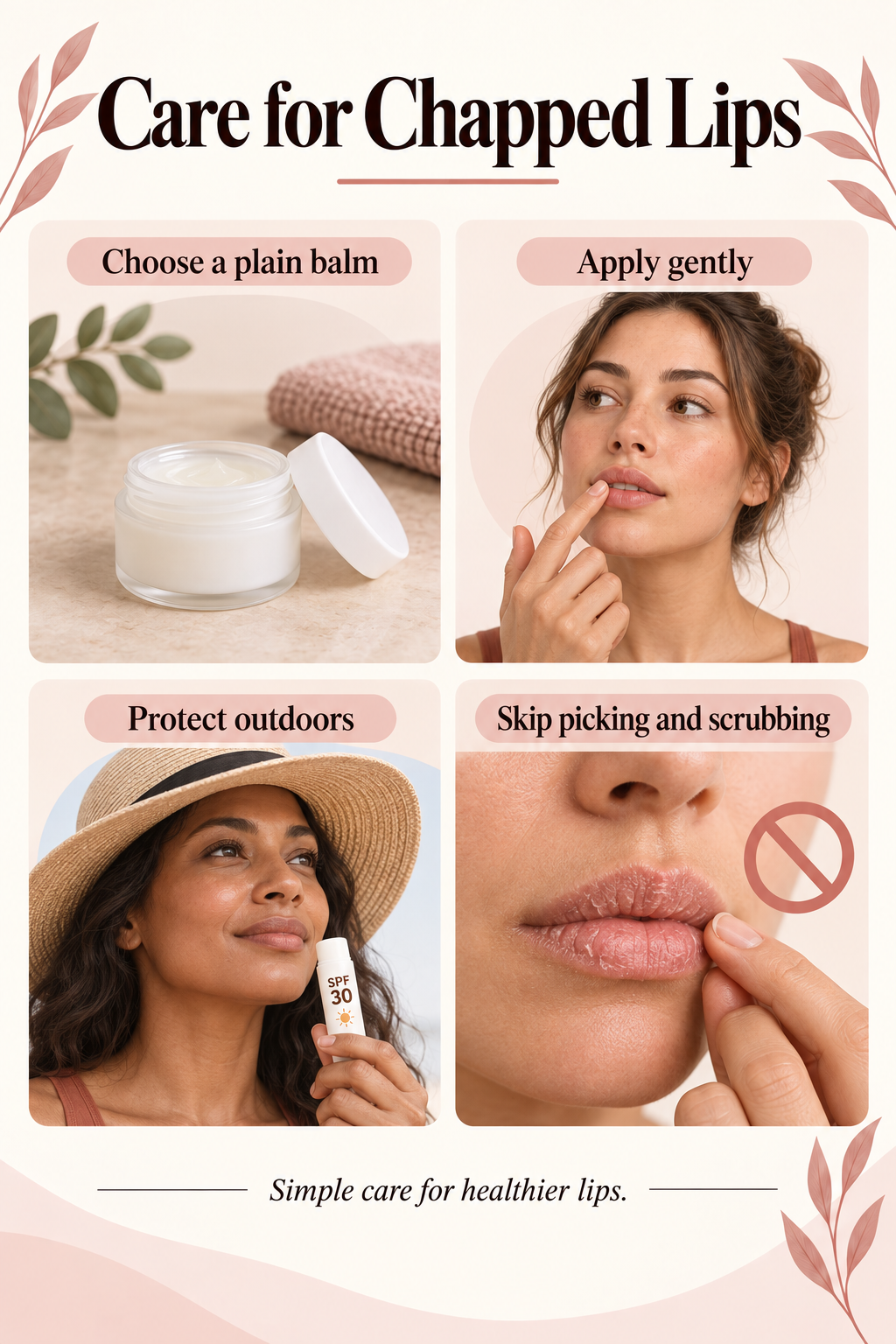
Choose a bland product
Use a non-irritating balm or a simple ointment such as plain white petroleum jelly. Apply it as needed and before bed. Stop a product that burns or stings. The AAD's advice for chapped lips recommends avoiding irritating ingredients and using a lip product with SPF 30 or higher outdoors.
Keep one product by your bed and another where you usually reach for lip colour. That makes it easier to apply balm without turning care into a complicated ritual. Follow the label rather than continually switching between products.
Break the pick-and-lick cycle
Try to notice when you lick, bite or pick at your lips. Applying balm instead gives you an alternative action. Do not pull away peeling skin or scrub until the surface feels smooth; that can leave it more uncomfortable.
If you wear lipstick, choose a familiar product that feels comfortable and take a break from formulas that make tightness worse. You can use less colour for a few days without adding a corrective treatment to replace it.
Look at what changed
Think about a new lip product, toothpaste, weather exposure or medication. Do not stop prescribed medicine yourself, but mention a possible connection to your clinician. A brief list of changes is often more helpful than bringing a collection of products you tried afterwards.
Give persistent problems attention
If gentle care does not help within a few weeks, see a dermatologist. Persistent cracking, a sore patch or recurring problems at the corners of the mouth may need a different diagnosis and treatment. Seek help sooner for severe swelling or signs of infection.
Once your lips feel comfortable, keep the routine simple. A product does not have to tingle, smell strongly or promise repair overnight to be useful.
Organise care around your day
A simple routine is easier to follow when the product is where you need it. Keep your usual balm in one predictable place and choose an outdoor lip product you will actually remember to use.
- Before leaving home: apply your chosen sun-protective lip balm according to its directions.
- After eating or wiping your mouth: check whether reapplication is needed instead of automatically licking your lips.
- Before bed: use a comfortable plain product rather than trying a new active treatment each night.
Make the next product choice simpler
Keep the packaging or a photo of the ingredients from anything that caused discomfort. If you ask a pharmacist or dermatologist for help, this gives them something specific to compare with products you tolerate. “Natural,” “repairing” and “plumping” describe marketing categories, not a guarantee that a product suits you.
Avoid adding a scrub merely because a few flakes remain. Let comfort guide the routine and allow time to assess it. If there is no clear improvement after a few weeks, arrange a skin assessment rather than building a larger collection of balms.
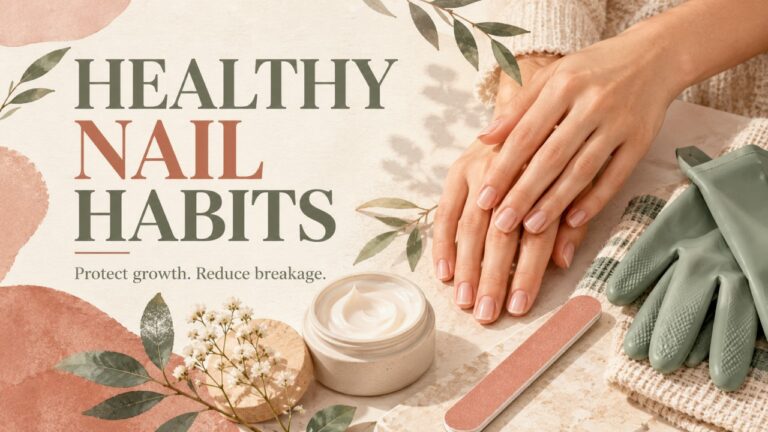
For similarly simple hand and nail habits, see our everyday hand-care guide.
Common questions
Is tingling a sign that lip balm is repairing my lips?
No. If a product burns, stings or makes the area uncomfortable, stop using it. Do not keep applying it in the hope that irritation will lead to smoother lips.
Can I wear lip colour while my lips recover?
Use only a familiar product that feels comfortable, or take a break if colour makes the area tight or sore. Avoid rubbing or exfoliating to create a smoother canvas.
What if the corners keep cracking?
Recurring corner cracks can have different causes. Ask for an assessment instead of assuming ordinary dryness or applying a succession of home remedies.
Updated October 15, 2026. General information; individual health concerns need advice from a qualified professional.