Dry, Ageing Hands: A Practical Care Routine
Dry, ageing hands often need a more consistent routine rather than a crowded shelf of products. Repeated washing, cleaning and outdoor exposure can make hands feel rough or tight. Start with comfort and protection, then decide whether any cosmetic concern still needs attention.
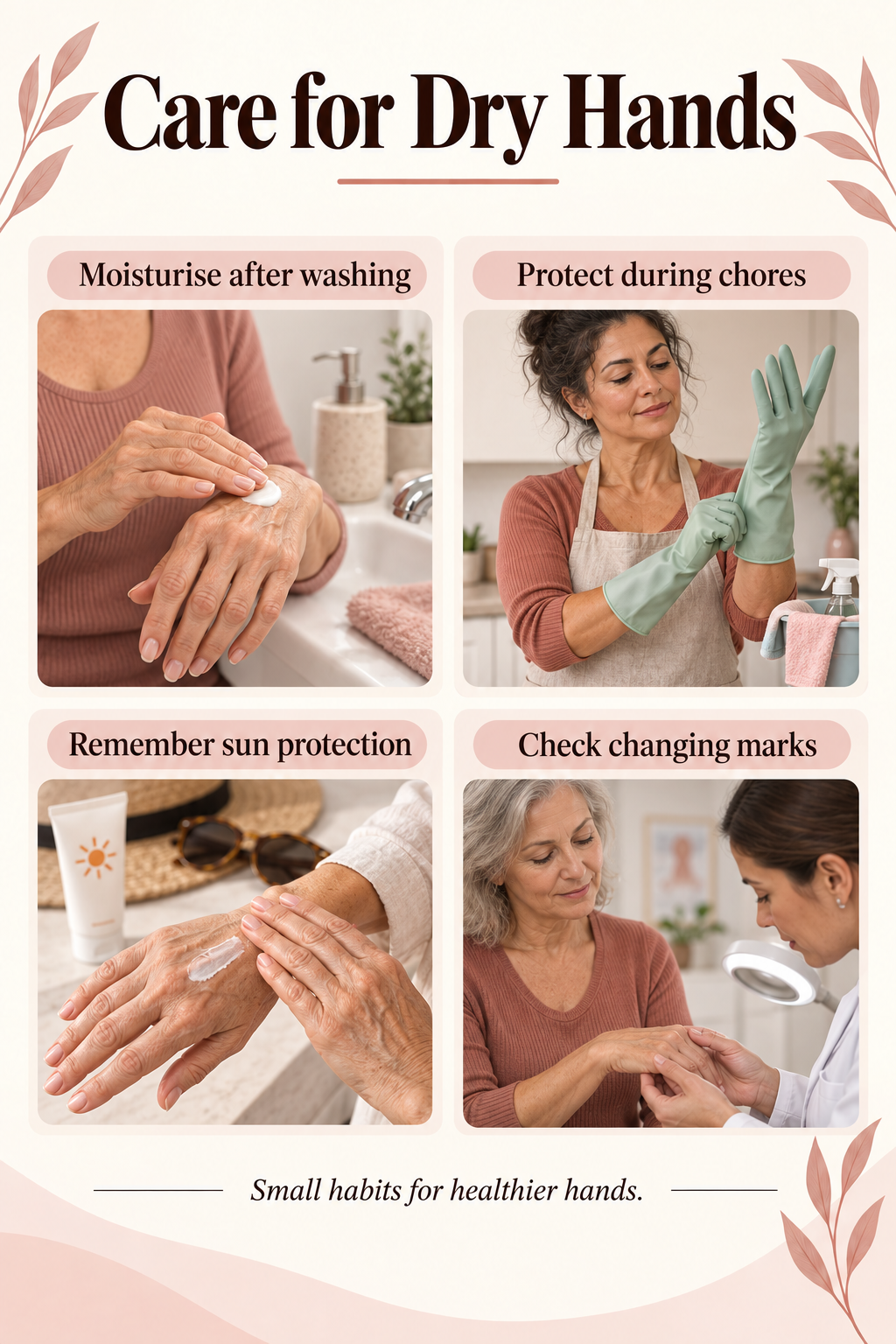
Quick answer: Use a comfortable moisturiser, protect your hands during cleaning and apply broad-spectrum SPF 30 or higher before outdoor exposure. New or changing marks and persistent rough patches should be checked before you try to fade them.
Build the routine around your day
A good hand-care routine should survive a normal working day. If your cream is too slippery for a keyboard, keep a lighter option nearby and save the richer texture for bedtime. If you forget sunscreen on your hands, place it beside something you use before leaving home.
Choose one change first. Adding five steps on Monday and abandoning them by Thursday is less useful than a small habit you repeat. Products do not need matching labels or a premium price to fit a practical routine.
Wash gently and moisturise afterwards
Use comfortably warm water and avoid unnecessary scrubbing. Dry your hands carefully, including between the fingers. Apply a fragrance-free cream if fragrances tend to bother your skin, and work it over the backs of the hands and around the fingertips.
The AAD’s hand-care guidance recommends moisturising and protecting against sun exposure and household irritants. Cream can improve the appearance of dryness, but it does not remove every line, spot or visible vein.
Remember the backs of your hands outdoors
Choose broad-spectrum, water-resistant SPF 30 or higher and follow the label for application and reapplication. Reapply after washing and as directed while outdoors. Clothing and shade are useful too; sun-protective gloves may suit long drives or outdoor tasks.
Keep the plan realistic. A small tube in the bag you actually carry is more useful than a large bottle left in a cupboard. If you spend the day gardening, put the protective items out with your gardening tools.
Use gloves for the task, not as a cure
Cleaning gloves reduce direct contact with water and products, but wet or sweaty gloves can become uncomfortable. Choose the appropriate material for the cleaner you are using and follow its safety instructions. Let reusable gloves dry properly between uses.
For gardening or other manual work, choose gloves that protect against friction and small injuries. A glove that is too tight may be difficult to wear consistently, so check the fit before assuming that gloves simply do not suit you.
Keep cosmetic expectations specific
Ask yourself what you want to change: tightness after washing, a rough feeling, uneven colour or a particular mark. These are different concerns. Moisturiser may make dry skin look smoother, while a new patch needs identification before a lightening product enters the routine.
Avoid stacking acids, retinoids and vigorous scrubs in an attempt to speed things up. Introduce a new product cautiously and stop if it causes irritation. If you want professional cosmetic treatment, ask about likely benefit, recovery time and ongoing maintenance rather than assuming a single appointment solves everything.
A routine you can put beside the sink
- After washing: dry gently and apply cream when practical.
- Before outdoor time: use sun protection.
- Before cleaning: put on suitable gloves.
- Before bed: use a richer moisturiser if comfortable.
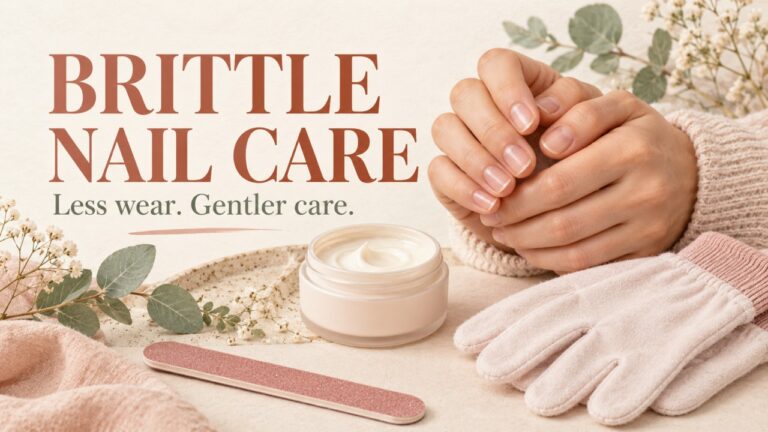
Include the nails without cutting the cuticles. Our brittle nail care guide explains how to reduce wear, while the manicure guide covers simple grooming.
Frequently asked questions
Can hand cream remove age spots?
Plain moisturiser mainly helps dryness. A dark mark may need a different approach, and a changing mark should be assessed before cosmetic treatment.
Must I buy a separate night cream?
No. If your usual moisturiser feels comfortable, you can use it at bedtime. Texture and tolerance matter more than having a product labelled for every time of day.
When should I seek advice?
Ask about persistent cracking, itching, rough patches, bleeding or a new or changing mark. Cold, painful or colour-changing fingers also deserve assessment rather than a kitchen soak or circulation remedy.
Editorial update: 21 October 2026.