Foundation Mistakes That Can Make Makeup Look Heavy
Foundation is meant to even out the look of the complexion, not erase every bit of skin texture. When it looks heavy, patchy or unlike your skin, the cause is usually technique—not a lack of products. A few small adjustments can make a much bigger difference than buying another full-coverage formula.

1. Matching the shade to the wrong place
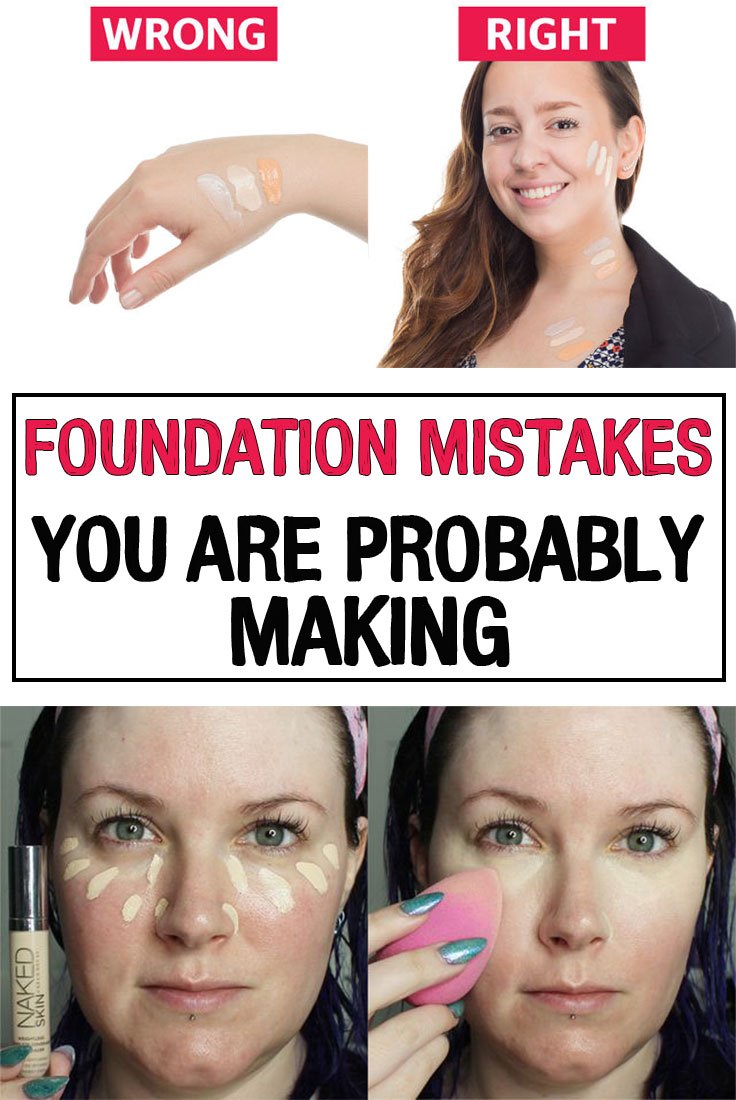
Testing foundation only on the back of your hand is unreliable because the skin there may not match your face, neck or chest. Apply a small amount along the jawline, let it settle for a moment and check it in daylight if possible. The most natural shade usually seems to disappear between the face and neck.
2. Skipping skin preparation
Foundation tends to catch on dry areas and move around on skin that feels overly slick. Start with clean skin and a moisturiser that suits you. Let it settle before makeup. If you use sunscreen, allow it to form an even layer first; then apply foundation with a light hand.
3. Using more coverage than you need
Instead of starting with a thick layer, begin with a small amount at the centre of the face and blend outward. Add only where you want more coverage. This keeps the skin looking like skin and makes touch-ups easier later in the day.
- Use fingers for a quick, sheer finish.
- Use a damp makeup sponge for a soft, pressed-in effect.
- Use a brush when you prefer more polish, then blend the edges with a sponge or clean fingers.
4. Forgetting that formulas have different finishes
“Dewy,” “natural,” “matte” and “long-wear” describe different looks and feel different on the skin. Dry skin may prefer a flexible, hydrating formula; oily skin may prefer a lighter or more matte finish. Neither is universally better. The right choice is the one that feels comfortable and wears well on your own skin.
5. Blending only the centre of the face
Take a few extra seconds around the hairline, jaw, nostrils and under the chin. These are the places where an otherwise good base can look like a visible mask. Use what is left on your tool rather than adding more product.
6. Applying powder everywhere by default
Powder can be useful where you tend to shine, but a heavy all-over layer can make the finish look flat or emphasise texture. Press a small amount only where you need it—often the sides of the nose, centre of the forehead and chin—then reassess in natural light.
7. Ignoring your tools
Clean tools make blending more predictable. Wash makeup brushes and sponges regularly with a gentle cleanser, rinse thoroughly and let them dry completely. If a sponge feels worn or starts to tear, replace it.
The takeaway
A natural base is built in thin layers: prepare the skin, choose a comfortable formula, blend beyond the jawline and add coverage only where it earns its place. The aim is not perfection. It is makeup that still looks like you.
Editor’s note: This article was fully refreshed in September 2026. It offers general beauty information and does not replace personalised dermatology advice.



2 Comments