A Beginner-Friendly Lower-Body Workout for Strength and Stability
A lower-body workout can build strength, balance and confidence without chasing one “ideal” thigh shape. The moves below are designed for beginners and can be adjusted to your fitness level. Start slowly, focus on form, and choose a range of motion that feels comfortable for your body.

Warm up first
Spend five minutes marching in place, walking, or moving through gentle hip circles and bodyweight squats. A warm-up is a chance to notice how your knees, hips and back feel before you add effort.
1. Chair squats
Stand in front of a sturdy chair with feet about hip-width apart. Send the hips back as if sitting down, lightly touch the chair if needed, then press through the feet to stand. Keep your knees tracking in the same direction as your toes. Try 2 sets of 8 to 10 repetitions.
2. Supported split squats
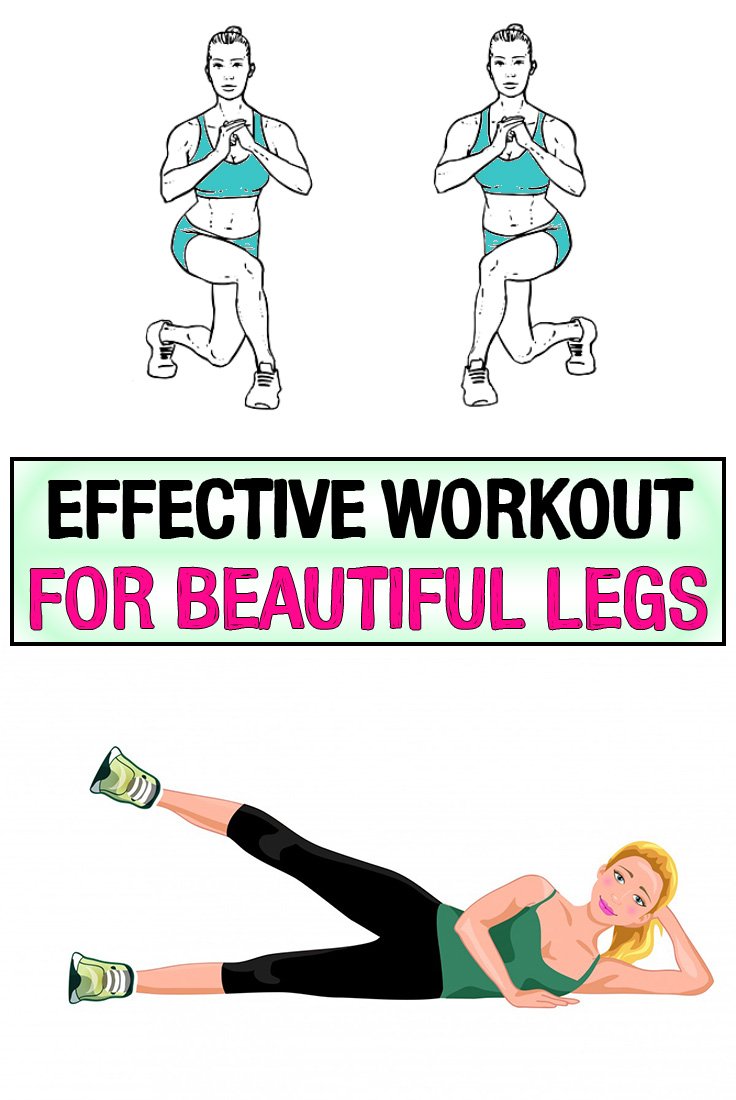
Hold a wall or chair for balance. Step one foot back and bend both knees slightly, keeping your torso tall. Press back up and repeat before switching sides. Start with 6 to 8 controlled repetitions per side.
3. Glute bridges
Lie on your back with knees bent and feet on the floor. Gently tighten your core, press through your heels and lift the hips until your body forms a comfortable line from shoulders to knees. Pause, then lower with control. Aim for 2 sets of 10.
4. Side-lying leg lifts
Lie on one side with legs long. Lift the top leg slowly without rolling your hips back, then lower it. This simple movement can help strengthen the muscles around the hips. Try 8 to 12 repetitions on each side.
Build gradually
Do this routine two or three non-consecutive days per week, allowing recovery between sessions. Add repetitions or a light resistance band only when the movement feels steady. Stop if you feel sharp pain, dizziness or joint pain, and speak with a qualified professional if you have an injury or health concern.
The takeaway
Strong legs support everyday life—from climbing stairs to carrying groceries. Consistent, manageable workouts are more useful than extreme routines or promises of spot reduction.
Editor’s note: Updated September 2026. This article is general fitness information and is not medical advice.