Everyday Makeup Tips for a Polished, Natural-Looking Finish
The most useful everyday makeup tips make your routine easier to repeat. A little coverage in the right place, blended colour and one feature you enjoy defining can create a polished finish without a long checklist. Start with familiar products and adjust the amount before buying more.
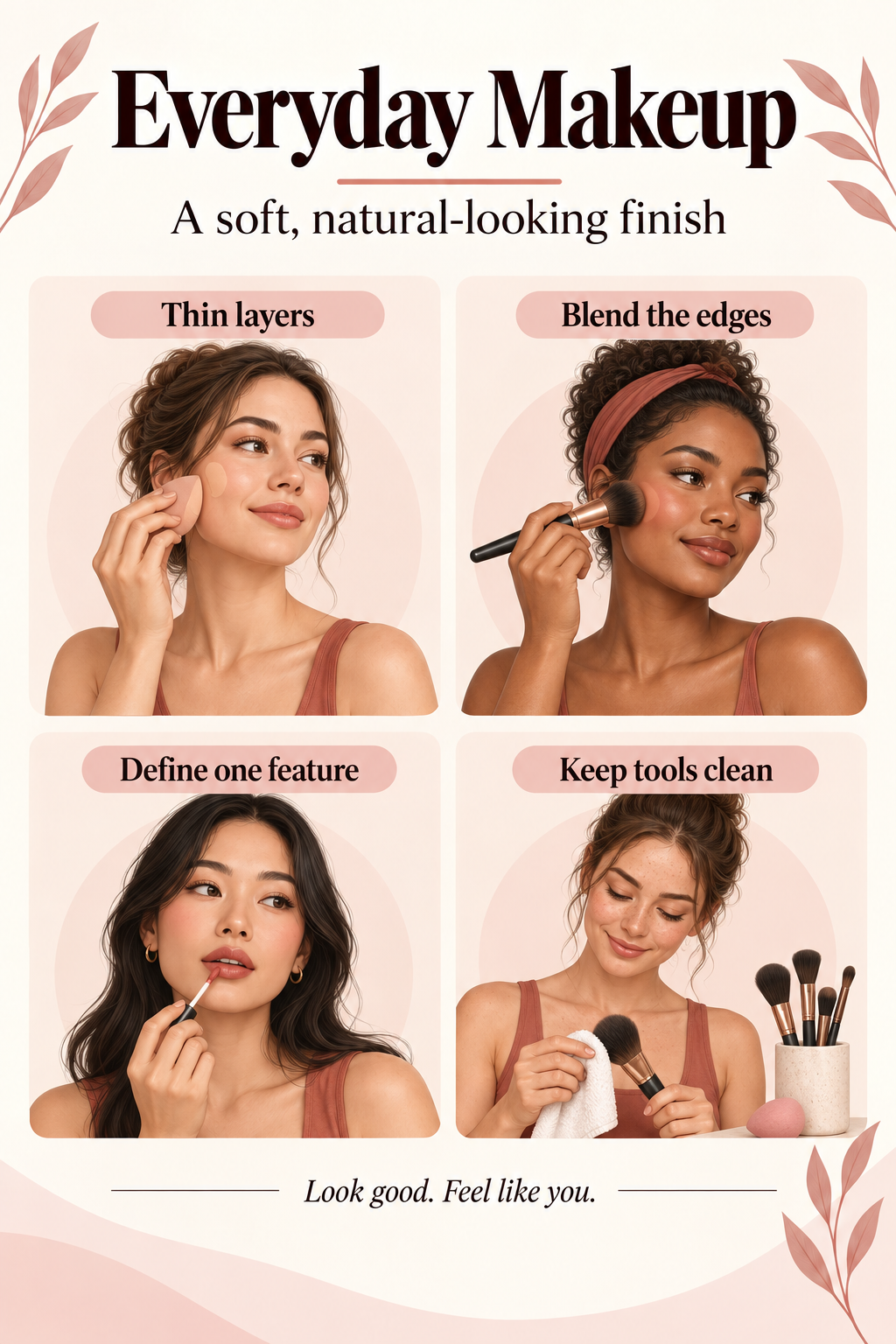
Quick answer: Apply thin layers, blend the edges and choose where you want the emphasis. Let skin care settle, powder selectively and use clean tools. A natural-looking finish can still include a bright lip or defined eyes if that feels like you.
Choose a small set of products
Lay out what you actually use: perhaps concealer, blush, a brow product and lip colour. Foundation, primer, bronzer and eye shadow are optional additions. Removing unused steps can give you more time to blend the ones that matter.
Check the light before starting. An evenly lit mirror is easier to work with than a strong overhead shadow. At the end, look from a little farther away; it is easy to overcorrect tiny details when your face is inches from the glass.
Give the base a clean starting point
Use your usual skin care and sun protection, then let the surface settle. If makeup pills, look at how many layers you are using and how hard you rub them. Adding more primer to rolling product often creates another layer to manage.
Begin foundation with a small amount where you want a more even tone. Blend out towards the edges and check the jawline and hairline. Use targeted concealer for a mark rather than automatically adding another full-face layer. Our foundation troubleshooting guide covers common base problems.
Blend colour before building it
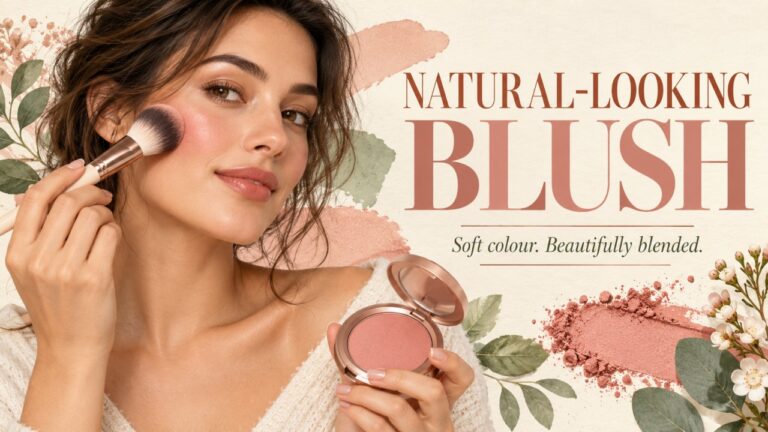
Apply a little blush, soften the edges and then decide whether you want more. You can place colour according to your preference and face shape; there is no single dot or stripe that suits everyone. Check both sides in the same lighting.
If you enjoy bronzer or contour, use a light hand and distinguish the effect you want. Warmth and a shaded contour are different looks. A harsh edge usually needs blending or removal of excess, not another stripe beside it.
Define one feature when time is short
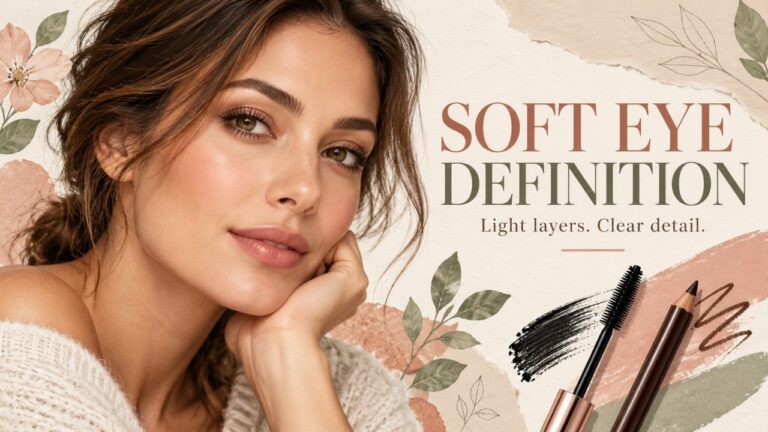
Choose the step that makes the biggest difference to you. That might be brushing the brows into place, adding a little mascara or wearing a favourite lipstick. The remaining makeup can stay simple without looking unfinished.
- Even the areas of colour that bother you.
- Add and blend a small amount of cheek colour.
- Define your chosen feature.
- Check the edges and remove excess.
- Put away the products you did not need.
This is a flexible sequence, not a rule about what a face should look like. You can skip coverage altogether or combine a strong eye with a strong lip when that is the look you want.
Make lip colour comfortable
Start with lips that feel comfortable. If you use balm, let it settle or blot away excess before a formula that needs a drier surface. Apply a thin layer of colour and check the corners. A liner close to the lipstick or your natural lip colour can help define the edge.
For a more lasting result, blot gently and apply another light layer if the formula suits it. Carrying the colour for a small touch-up may be more comfortable than building a very thick coat in the morning.
Fix the problem you actually see
- Concealer in a crease: blend away excess before adding powder.
- Too much blush: soften it with a clean tool or a little remaining base on the brush.
- Patchy edges: inspect the area in better light and blend locally.
- Heavy powder: use less next time and target only the areas that need it.
For a lighter approach on changing skin, see our makeup guide for mature skin.
Frequently asked questions
Do I need primer every day?
No. Use it if it makes your particular routine work better. Compare a small area with and without it rather than assuming it is mandatory.
How do I keep the routine hygienic?
Use clean hands and tools, follow product directions and avoid sharing eye cosmetics. The FDA’s eye-cosmetic guidance also recommends discarding products used during an eye infection and stopping products that irritate.
Does natural makeup mean using only neutral colours?
No. A well-blended bright lip can feel natural to your style. Choose the amount of coverage and colour you enjoy rather than following a fixed palette.
Editorial update: 21 October 2026.