Hair Shedding: What Is Normal and When to Speak With a Clinician
Finding more hair in your brush or shower can be unsettling, but some shedding is a normal part of the hair-growth cycle. Hair care can make strands look healthier and reduce breakage, yet it cannot reliably treat every cause of hair loss. This guide focuses on practical, low-risk steps and on when it is worth getting professional advice.
Shedding and breakage are not the same
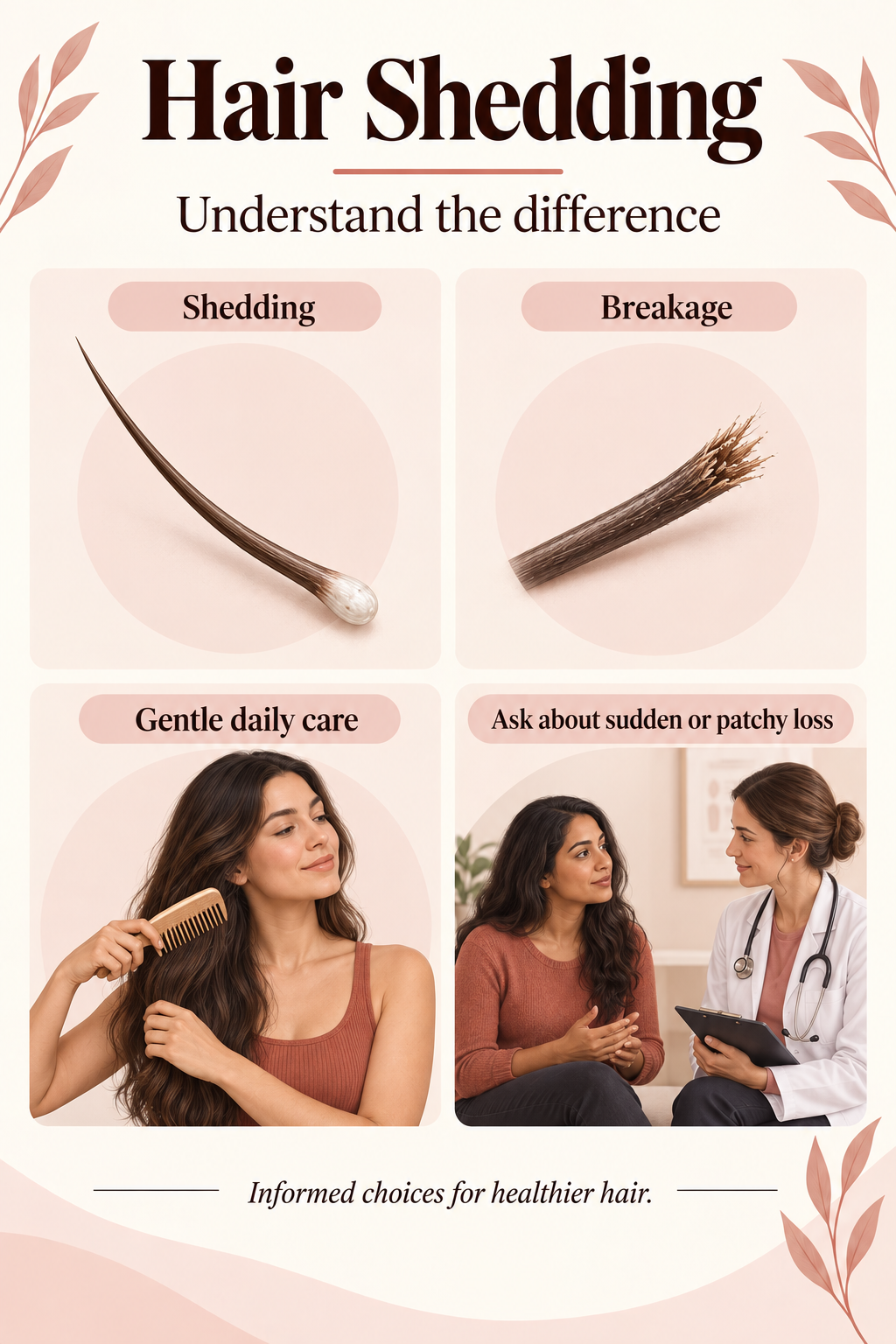
Shedding happens when a hair completes its growth cycle and releases from the follicle. Breakage happens along the length of a fragile strand and is often linked to heat, chemical processing, tight styles, rough brushing or dryness. They can look similar, so notice whether the hairs you see have a tiny white bulb at one end (often shedding) or are shorter, snapped pieces (often breakage).
Start with gentle hair habits
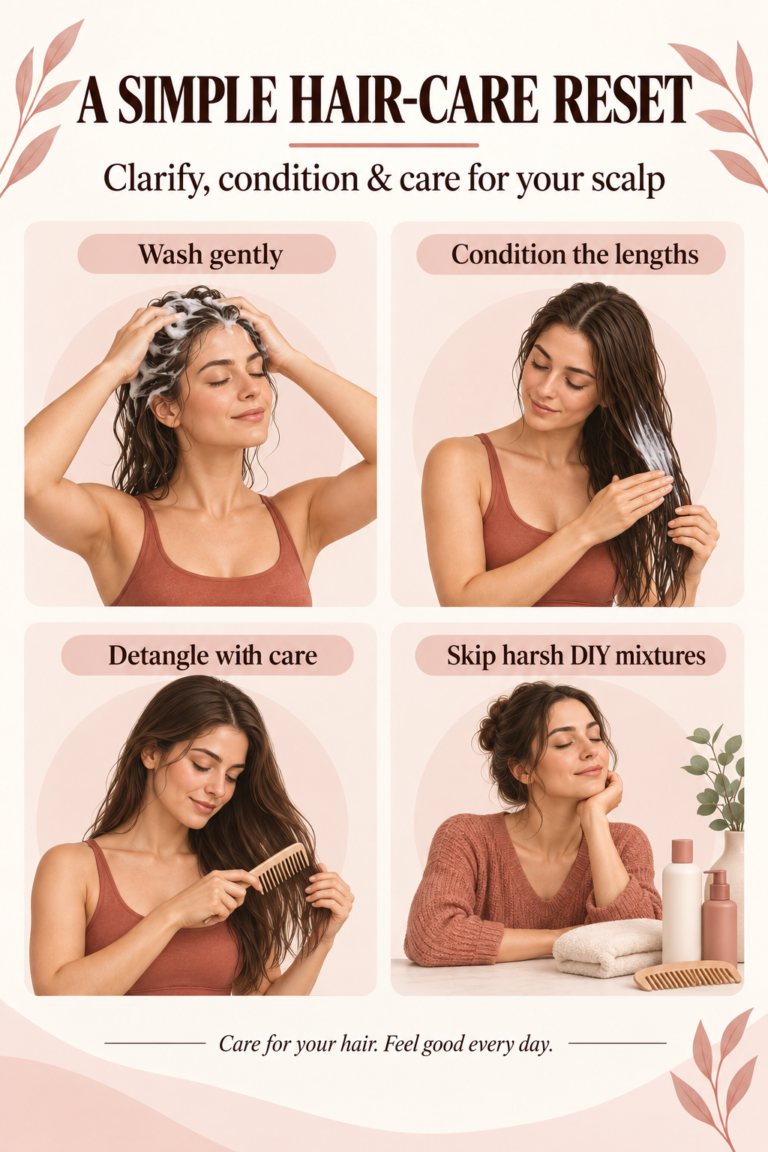
- Wash the scalp as often as it needs to feel comfortable; a clean scalp does not cause hair loss.
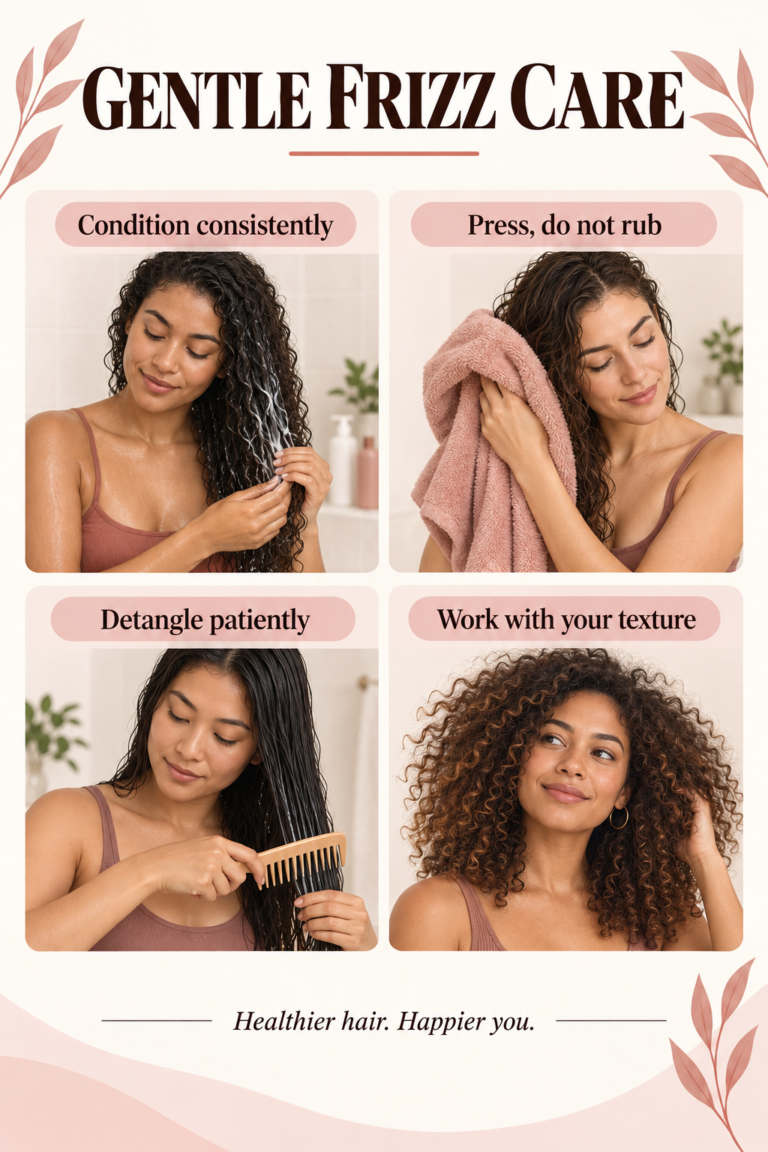
- Detangle patiently, starting at the ends, and avoid pulling through knots.
- Use heat styling less often and apply a heat protectant when you do use it.
- Choose looser styles and give the same areas of the scalp a break from tension.
- Use conditioner on the hair lengths to improve slip and help reduce mechanical breakage.
Be cautious with DIY treatments
Kitchen ingredients and oils may feel soothing on the hair, but they are not proven cures for hair loss. Heavy oils can be difficult to wash out, while lemon juice, undiluted essential oils and abrasive scalp scrubs can irritate the skin or make a scalp condition worse. If you enjoy a rinse-out treatment, patch-test it first and stop if you notice itching, burning or a rash.
Food, supplements and hair health
Hair needs adequate energy and a varied diet that includes protein, iron-rich foods, zinc and other nutrients. However, taking high-dose supplements “just in case” is not a safe shortcut. Iron deficiency and other medical causes need proper assessment, and excess supplements can be harmful. A clinician can advise whether testing is useful based on your symptoms and health history.
When to seek advice
Book an appointment with a clinician or dermatologist if shedding is sudden, patchy, painful, accompanied by scaling or redness, or continues for several months. It is also a good idea to ask for guidance if you notice hair loss after a major illness, rapid weight change, childbirth, a new medication or a period of significant stress. Early assessment can help identify the cause and the right next step.
The takeaway
Healthy routines can protect the hair you have and reduce breakage, but they should not replace an evaluation for new or significant hair loss. Keep styling gentle, skip miracle claims, and get tailored advice when the pattern changes.
Editor’s note: Updated September 2026. This article is general beauty information and is not medical advice.