Sunburn Care: What Helps Soothe Skin and When to Seek Help
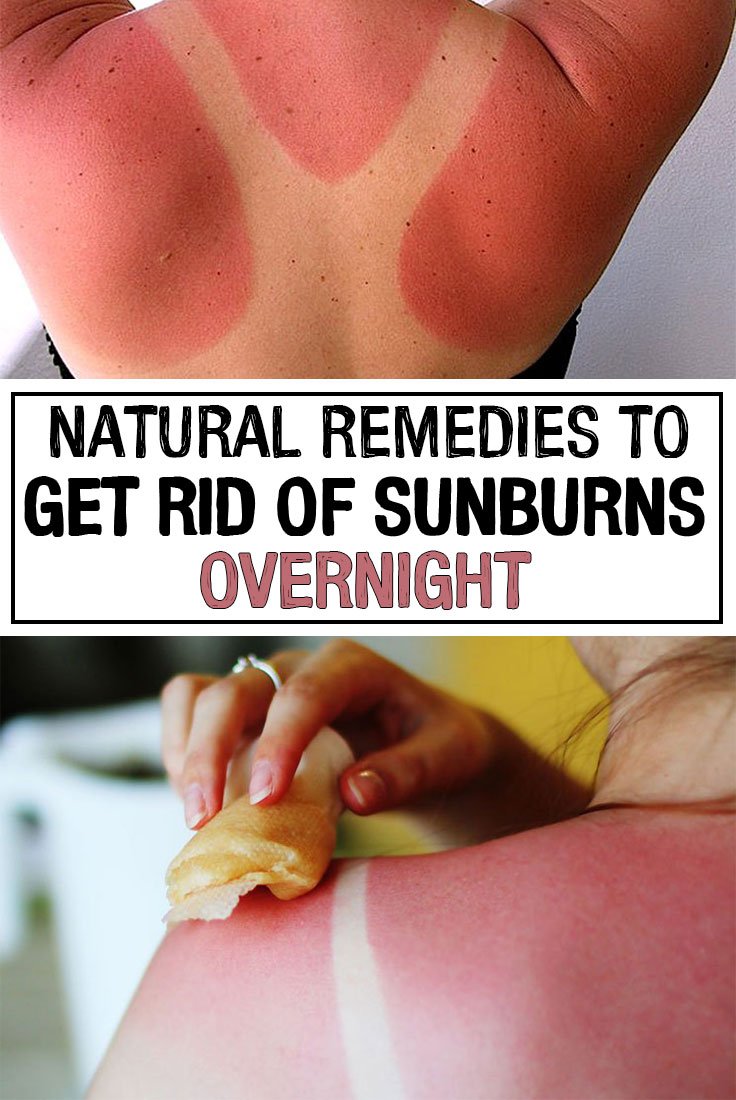
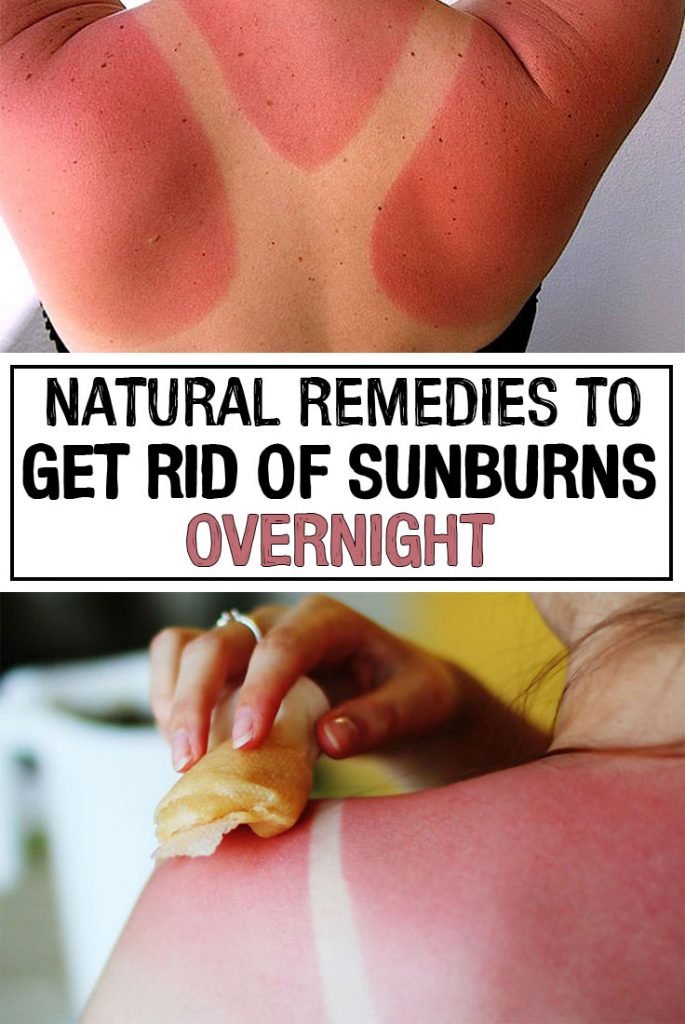
Sunburn can be painful, but it is also skin damage—not something to “fix overnight.” The safest approach is to get out of the sun, cool the skin gently, keep it hydrated, and watch for signs that you need medical care. Avoid home remedies that can irritate or trap heat against the skin.
Cool the skin gently
Take a cool (not icy) shower or bath, or place a cool damp cloth on the affected area for short periods. Pat your skin dry and leave it slightly damp before applying moisturizer. Do not apply ice directly to a sunburn; extreme cold can make damaged skin feel worse.
Moisturize simply
A fragrance-free moisturizer or a plain aloe vera gel can feel soothing after cooling the area. Reapply as needed while the skin feels dry or tight. Skip products with strong fragrance, alcohol, numbing ingredients, or heavy oils if they sting or trap heat.
Drink water and rest
Sunburn can leave you feeling dehydrated, especially after a long day outdoors. Drink water regularly and avoid more sun exposure while your skin recovers. Wear loose, soft clothing that does not rub on tender areas.
Do not pick or peel
Peeling is a common part of recovery. Let it happen naturally and keep the area moisturized. Do not pop blisters; intact blisters help protect the skin. If a blister breaks, wash the area gently with soap and water and cover it with a non-stick dressing if needed.
Prevent the next burn
Use broad-spectrum SPF 30 or higher, apply it generously before sun exposure, and reapply as directed—especially after swimming or sweating. Hats, sunglasses, shade, and tightly woven clothing add protection that sunscreen alone cannot provide.
Seek urgent medical advice for a widespread blistering burn, fever, chills, dizziness, nausea, severe pain, signs of infection, or a burn affecting a child or baby. Prevention is the most effective sun-care step, but calm, simple care supports skin while it heals.